
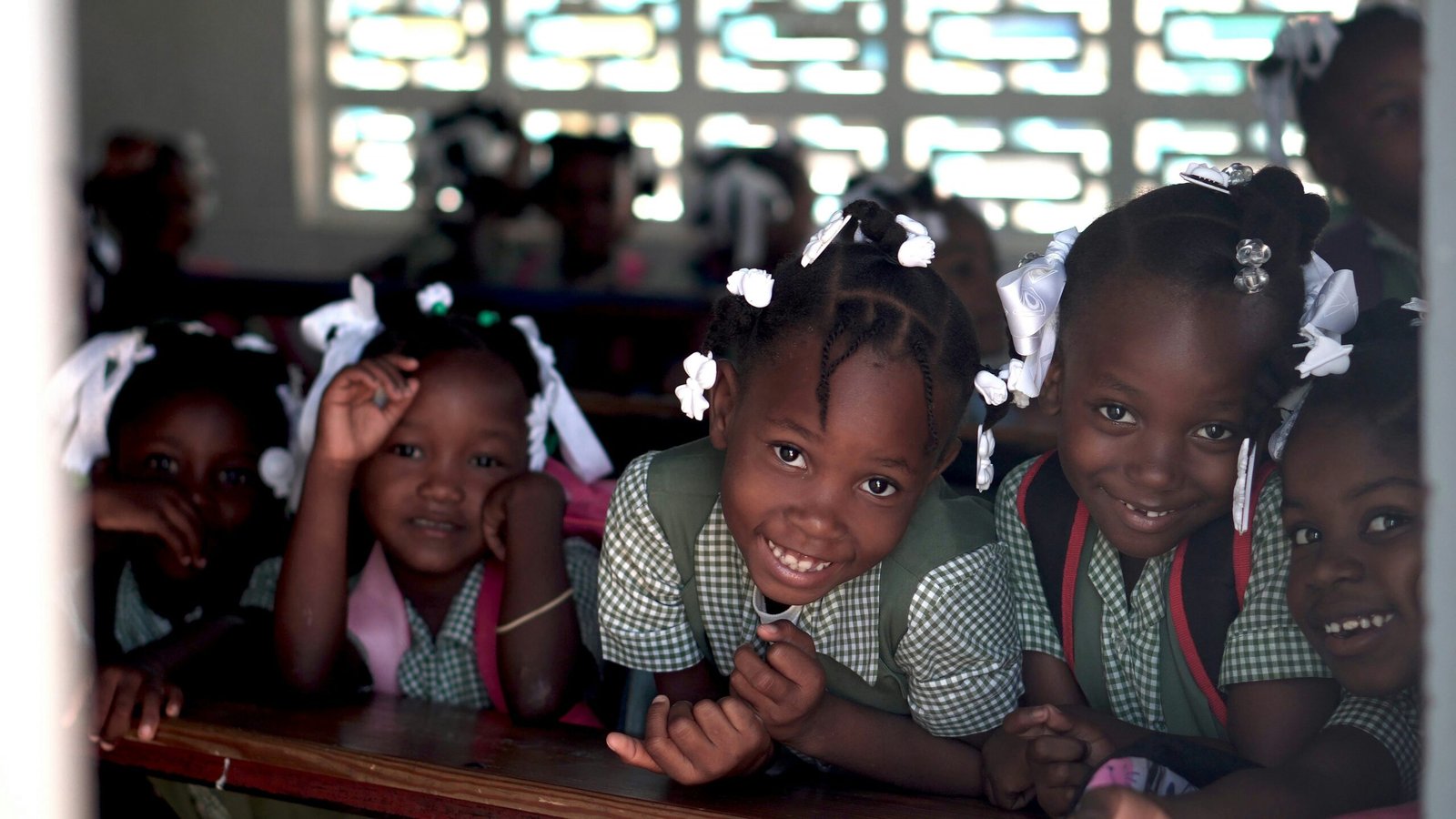
Imagine living in a community where environmental changes are quietly reshaping your future — yet you don’t fully understand why it’s happening or what you can do about it.
Climate change is no longer a distant threat. Across the world, and particularly in Africa, communities are experiencing rising temperatures, extreme weather events, and environmental degradation.
In Nigeria, the reality is even more pressing.
According to UNICEF, young people in Nigeria are among those most vulnerable to the impacts of climate change, with serious risks to their health, education, and overall well-being.
Yet, despite this, climate literacy remains largely absent from classrooms.
This is where the ECONEXTGEN Project comes in. But before we get into that, it’s important to understand the problem we can no longer afford to ignore.
Why Climate Education in Nigeria Can No Longer Be Ignored
Across Nigeria and many parts of Africa, climate change is no longer a future problem — it is a present reality.
Communities are already dealing with flooding, pollution, deforestation, and environmental degradation. These environmental changes are not just affecting ecosystems—they are disrupting livelihoods, health, and even education.
Globally, climate-related events have already begun to affect learning, with extreme weather disrupting schooling for millions of children each year, particularly in vulnerable regions like sub-Saharan Africa.
In Nigeria, the situation is even more urgent. The country is ranked among those where children face some of the highest exposure to climate and environmental risks, highlighting how deeply young people are affected.
Yet, despite these realities, many students — especially those in public schools — still lack access to structured climate education.
This creates a dangerous gap.
Public school students, often from low-income backgrounds, are more exposed to environmental risks, yet they are the least equipped with the knowledge to understand or respond to them.
Without intentional intervention, this gap will only continue to widen—leaving the next generation increasingly vulnerable, unheard, and unprepared.
And that is not a future we can afford to accept.
What Is the ECONEXTGEN Project?
For GreeniePlus Network, ECONEXTGEN is not a one-off effort; it is part of a broader, ongoing mission to advance climate advocacy and environmental education in Nigeria.
This commitment has already been demonstrated through previous initiatives. A notable example is the 2023 project, “A New Gege River,” where community residents in Gege were sensitised on the need for freshwater conservation, driving awareness at the grassroots level.
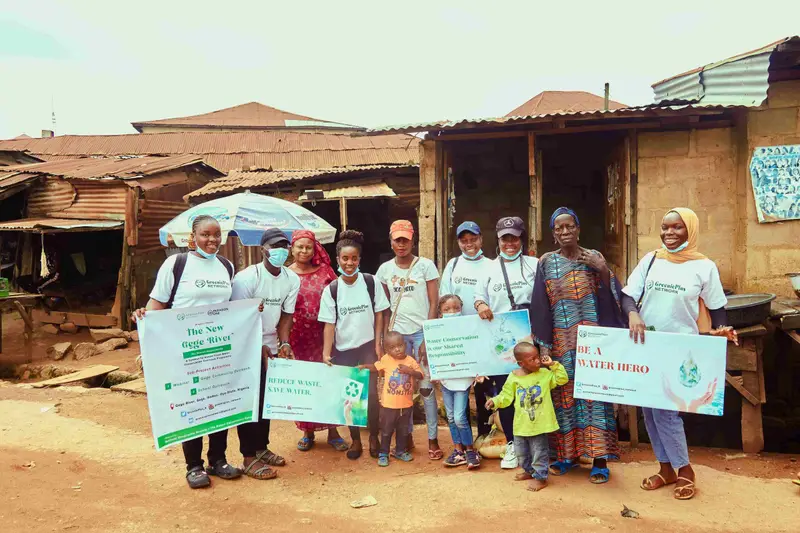
ECONEXTGEN builds on this foundation, expanding the focus from community sensitisation to structured youth education and policy advocacy.
The ECONEXTGEN Project is a youth-focused climate education and advocacy initiative designed to bridge the climate education gap between public and private school students in Nigeria.
Funded by the EU Youth Empowerment Funds through the Global Youth Mobilization (GYM), the project combines workshops, mentorship, and hands-on environmental activities to empower students not only to understand climate change, but to actively respond to it.
At its core, the project aims to raise young people who are not just informed but equipped to become voices for change within their communities.
The project is intentionally designed to focus on 50 public secondary school students as direct beneficiaries.
The focus on public school students is critical and necessary because these students often:
- Have limited access to quality educational resources
- Face the harshest environmental conditions
- Are underrepresented in climate conversations
By prioritising these students, ECONEXTGEN ensures that those most affected by climate change are no longer left behind, but instead placed at the center of the solution.
Read also: Nigeria’s Fossil Fuel Transition
How the Project Works
The ECONEXTGEN project will run over five months, combining education, action, and advocacy, using a structured and impactful approach.
- Climate Education Workshop
A five-day intensive training will introduce students to:
- Climate change fundamentals
- Environmental challenges and solutions
- Climate governance and activism
- The role of youth in sustainability
The sessions will be highly interactive using games, debates, storytelling, and group activities to make learning engaging and practical.
2. Hands-On Climate Action
Students will go beyond theory by participating in:
- Tree planting
- Waste collection initiatives
This ensures they do not just understand climate issues in theory, but also experience what climate action looks like in practice.
3. Storytelling for Advocacy
A key feature of the project is storytelling as a tool for change.
Selected students will be guided to write 3,000-word stories about climate change in their communities.
These stories will reflect real-life environmental issues, amplify youth perspectives, and also serve as advocacy tools.
The final collection will be compiled into an anthology and presented to policymakers to advocate for the inclusion of climate education in school curricula.
Key Partnerships Driving the Initiative
The strength of ECONEXTGEN lies in its collaborative approach.
Key partners include:
- EU Youth Empowerment Funds & Global Youth Mobilization (Funding and oversight)
- University of Ibadan (Faculty of Renewable Natural Resources)
- EcoVillage Nigeria
Together, these partners bring a blend of local insight, academic expertise, and global support, ensuring the project is both impactful and sustainable.
The Problems ECONEXTGEN Aims to Solve
At its core, the project addresses three major issues:
1. Lack of climate awareness: Many students do not fully understand climate change or its local impacts.
2. Limited youth participation: Young people are often excluded from climate conversations and decision-making spaces.
3. Absence of climate education in schools: Climate topics are not deeply integrated into learning systems.
By addressing these gaps, ECONEXTGEN creates a pathway for more informed, engaged, and empowered youth participation.
What Success Looks Like for Us
The success of the Project will not just be measured by participation, but by real, measurable impact on the students, communities, and the broader education system.
Short-Term Outcomes
- At least 80% of participating students demonstrate improved climate literacy and awareness
- 100% of students gain hands-on climate action experience through activities such as tree planting and waste collection
- Over 80% of participants develop storytelling and advocacy skills, enabling them to effectively communicate climate issues within their communities.
- Increased awareness within schools and surrounding communities, as students begin to share their knowledge and experiences.
- A published anthology of student-written climate stories, highlighting real community experiences and innovative perspectives on climate change.
- A formal advocacy engagement with the Ministry of Education, where selected students and project representatives will present the anthology to push for the integration of climate education into school curricula.
Long-Term Impact
- Participants go on to initiate or contribute to climate action efforts within their schools or communities.
- Strengthened community resilience, as knowledge and awareness spread beyond the classroom.
- Increased policy-level advocacy for climate education, driven by youth voices and storytelling.
- A replicable and scalable model for climate education that can be expanded to other schools and regions across Nigeria.
By the end of the project, students are expected to emerge as climate ambassadors, actively driving change within their communities.
Conclusion
The climate crisis demands more than awareness; it demands action, innovation, and leadership.
The ECONEXTGEN Project is planting those seeds where they matter most: in young minds, in local communities, and within the systems that shape the future.
By giving students the tools to understand climate change, the confidence to speak about it, and the platform to advocate for change, this initiative is helping to raise a generation that is not only aware but also prepared.
The future of climate action in Nigeria is being written now, and you can be a part of it too by:
- Following the journey of the project
- Amplifying youth voices and climate stories
- Supporting climate education initiatives
- Advocating for sustainable practices in your own community
Real change doesn’t just happen, it is built, one informed voice at a time.
Written by: Damilola Falayi